Why your operation lacks real shipment visibility
Many companies believe they track their shipments.
In reality, what they have is something else:
👉 waiting for updates
The problem is that updates are not the same as visibility.
And in global trade, that difference is expensive.
”Roughly knowing” is not control
In many operations, shipment tracking works like this:
- someone sends an email
- the freight forwarder updates later
- the supplier responds eventually
- the status arrives too late
Meanwhile:
👉 the company still has no real visibility
What real shipment visibility means
Visibility is not simply knowing the cargo shipped.
It means understanding:
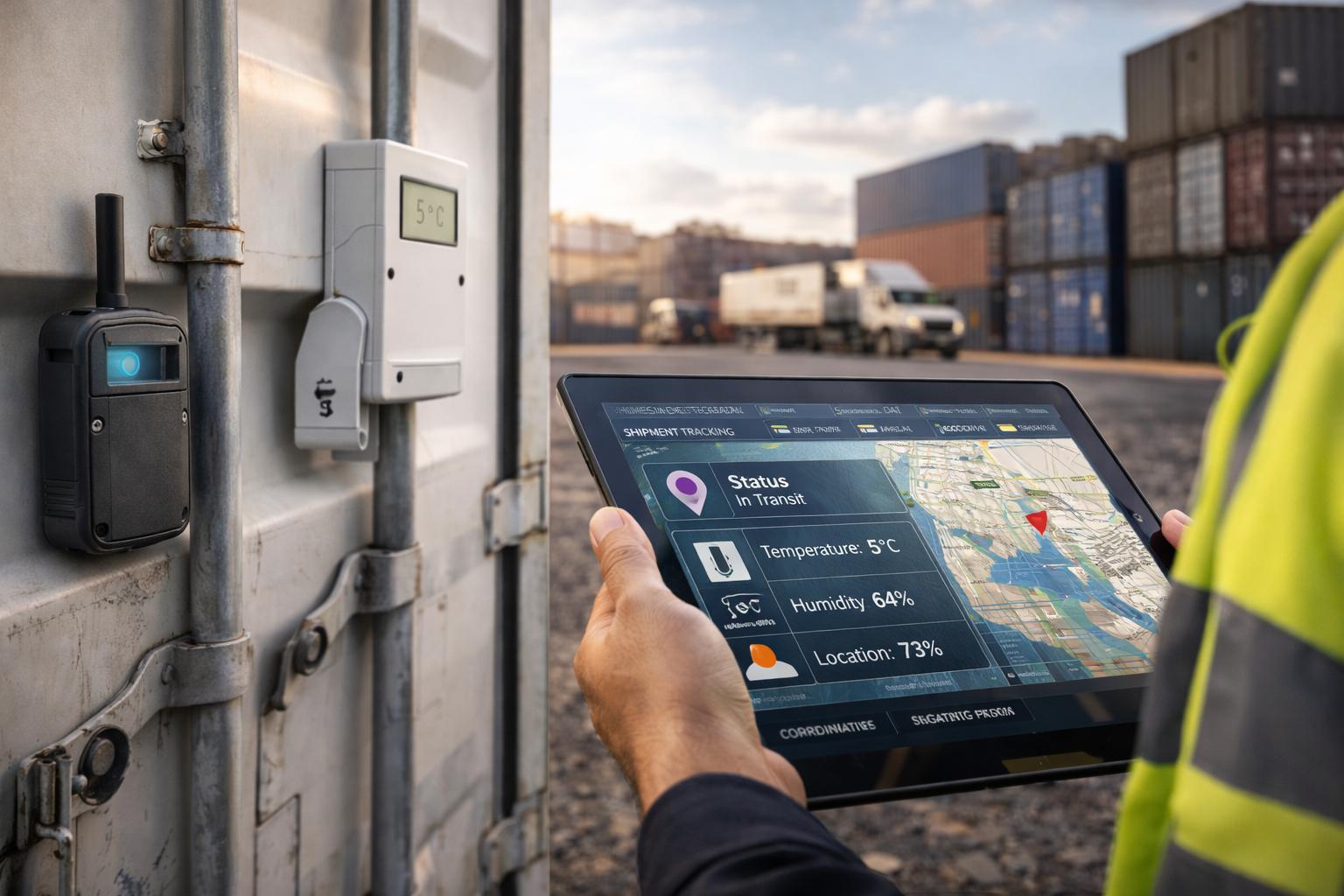
- where it is
- which stage it is in
- what changed
- what may impact deadlines
- what risks exist in transit
👉 before problems happen
Why most companies still lack visibility
1. Decentralized information
Part of the information is in:
- emails
- forwarder systems
- spreadsheets
👉 nobody has the full picture
2. Dependency on third parties
Companies rely on:
- customs brokers
- freight forwarders
- suppliers
- shipping lines
That means:
👉 they only know when someone replies
3. Lack of integration
The data exists.
But it is spread across different systems.
Result:
- slow updates
- rework
- loss of context
- difficult decisions
4. Reactive operations
Without real visibility:
- companies react
- instead of anticipating
And in global trade, reacting late is expensive.
The invisible impact
Lack of visibility creates:
- unexpected delays
- inventory imbalance
- late decisions
- additional costs
- operational stress
And the most dangerous part:
👉 a false sense of control
The shipment is not the problem
Most of the time, the shipment follows its normal route.
The real issue is that the company cannot see the flow clearly.
What changes when visibility exists
Structured operations:
- monitor every stage
- identify risks earlier
- make faster decisions
- reduce operational dependency
- increase predictability
👉 they stop operating blindly
The role of technology
The right technology does not move the cargo.
But it provides something essential:
👉 operational context
With that, companies can:
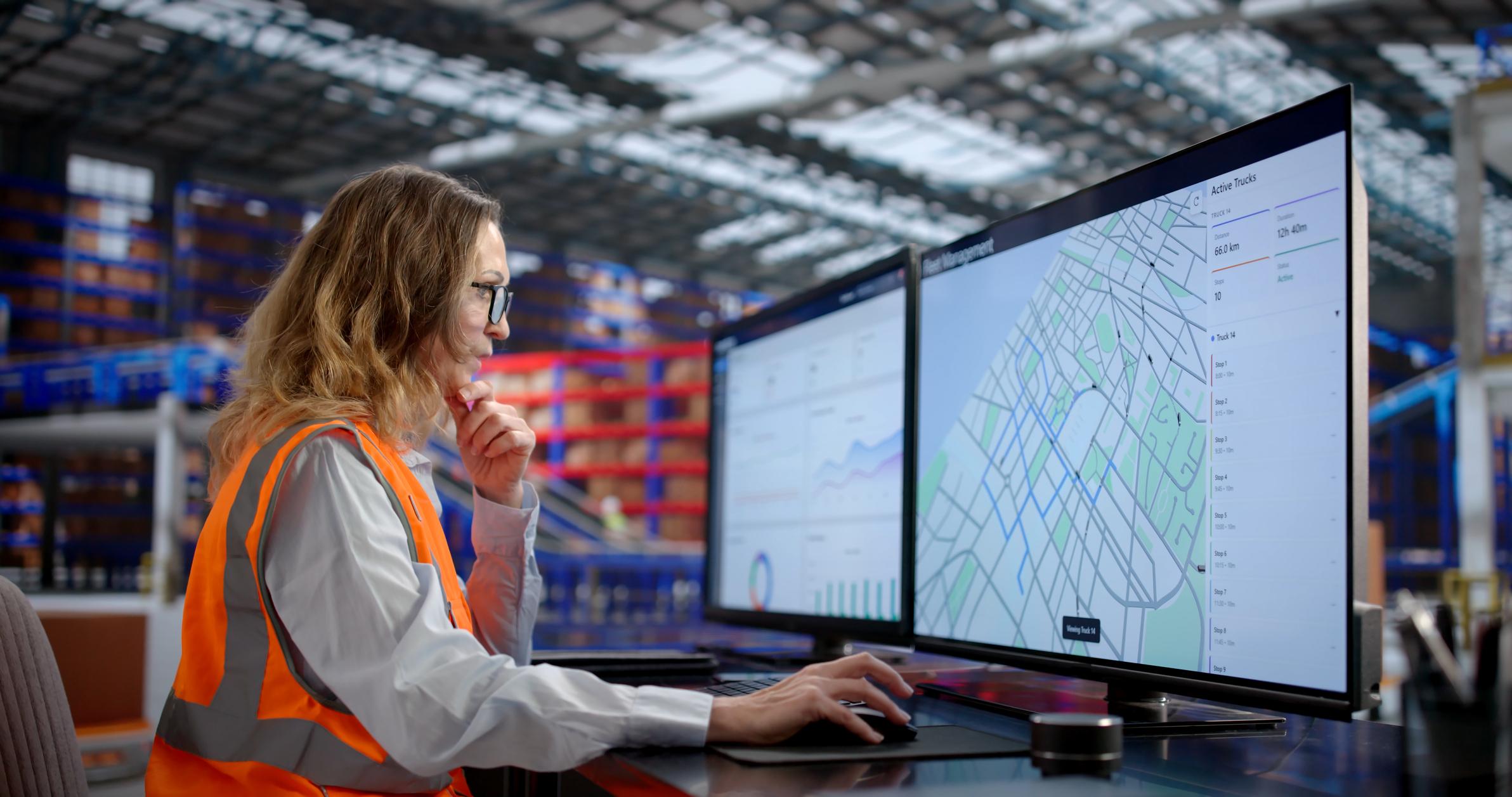
- centralize information
- track changes
- structure workflows
- reduce response time
How Pixel8 helps
At Pixel8, we structure operations to create real visibility.
This includes:
- operational tracking
- centralized data
- organized logistics workflows
- information integration
The goal is simple:
👉 transform scattered information into operational control
Conclusion
Your operation does not only need updates.
It needs real visibility.
Because in global trade, companies that cannot see the full operation…
👉 react too late
👉 lose control
👉 lose margin
Want more control over your shipments?
Talk to our team and see how Pixel8 can help.