The problem isn’t the shipment — it’s the lack of information
When something goes wrong in an import operation, the first reaction is to blame the shipment.
It was delayed.
It got stuck.
Something failed.
But in most cases, the problem is not the shipment itself.
👉 It’s the lack of information about it.
The shipment is not the risk
Shipments follow a flow.
They move through predictable stages:
- production
- shipping
- transit
- arrival
- customs clearance
The real issue is losing visibility between these stages.
And when that happens, risk increases.
What actually breaks the operation
Not knowing what’s happening leads to:
- delayed decisions
- slow reactions
- dependency on third parties
- planning errors
- unexpected costs
Without information, operations turn into waiting.
The visibility gap cycle
In many companies, the process looks like this:
- Shipment is dispatched
- Company waits for updates
- Supplier delays response
- Agent replies later
- The issue already happened
👉 Information always arrives too late
Where information gets lost
1. Decentralized communication
- emails
- phone calls
Everything is scattered.
Nothing is centralized.
2. Dependency on third parties
- customs brokers
- freight forwarders
- suppliers
The company only knows when someone replies.
3. Lack of a central system
Without a unified system:
- no history
- no full visibility
- no control
4. Unstructured data
Even when data exists:
- it’s disorganized
- unreliable
- not actionable
The real impact
Lack of information leads to:
- unexpected delays
- extra costs
- stock shortages
- lost sales
- operational stress
And most importantly:
👉 loss of predictability
What changes with visibility
Structured companies:
- know where shipments are
- know what already happened
- anticipate risks
- act before problems escalate
They don’t eliminate risk.
👉 They anticipate it.
The role of technology
Technology doesn’t move shipments.
But it solves something more important:
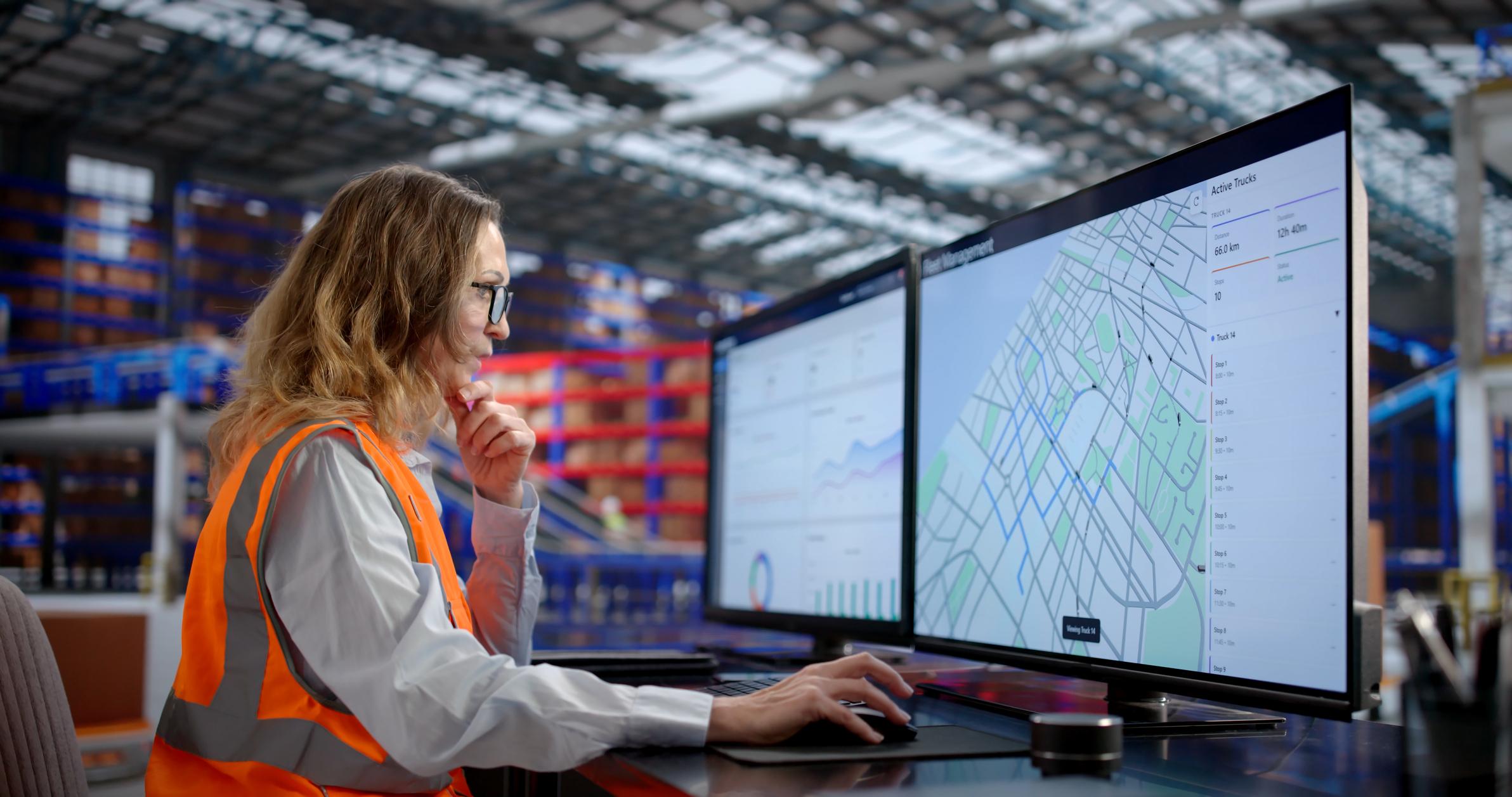
👉 operational visibility
With structured data, companies can:
- track every stage
- centralize information
- reduce dependency
- make faster decisions
How Pixel8 helps
At Pixel8, we structure operations to provide real visibility.
This includes:
- centralized information
- organized workflows
- logistics data integration
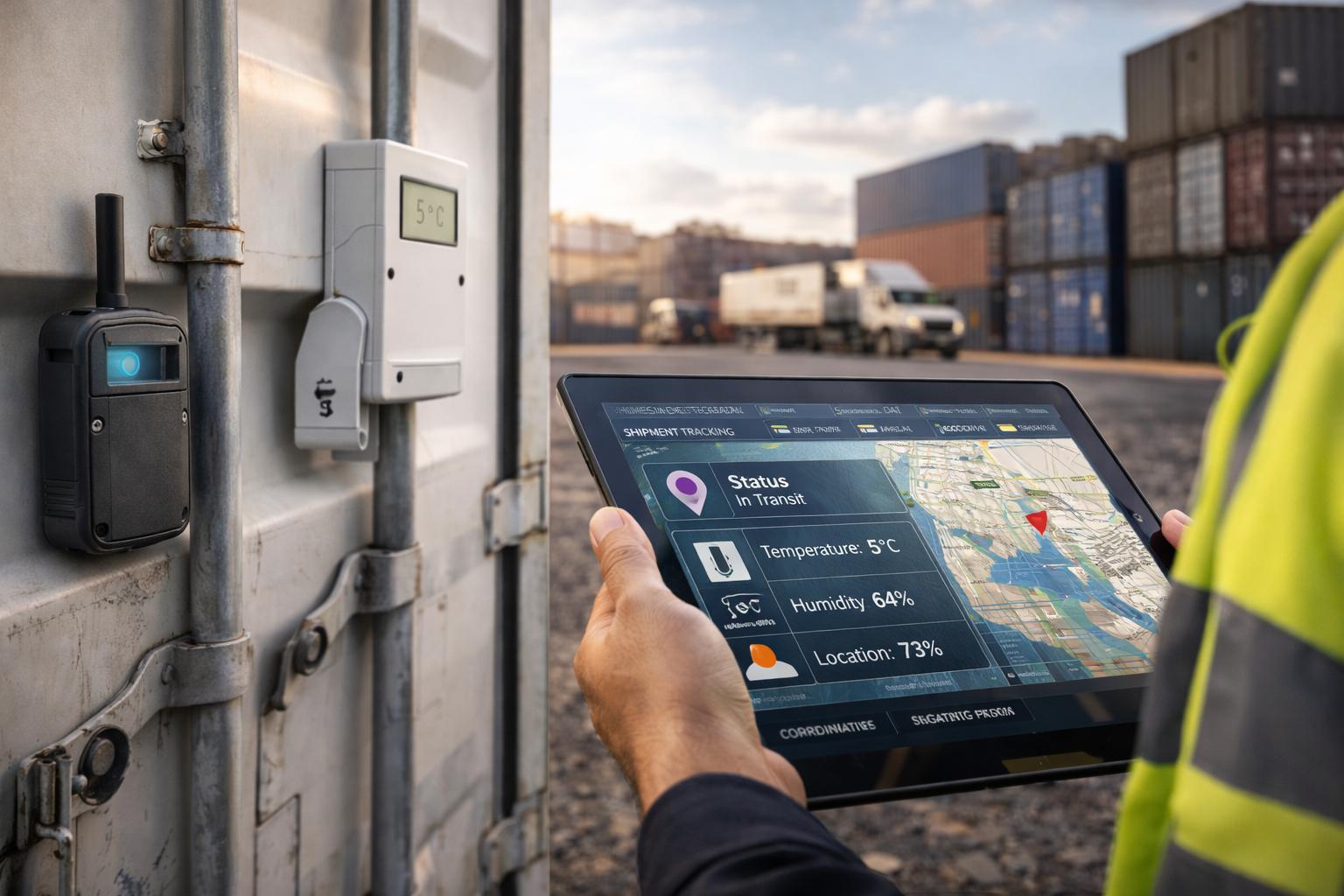
- shipment tracking
The goal is simple:
👉 turn uncertainty into control
Conclusion
The problem isn’t the shipment.
It follows its path.
The problem is not knowing what’s happening with it.
And in global trade, lack of information means:
👉 loss of control
👉 loss of time
👉 loss of money
Want full visibility into your operations?
Talk to our team and see how Pixel8 can help.