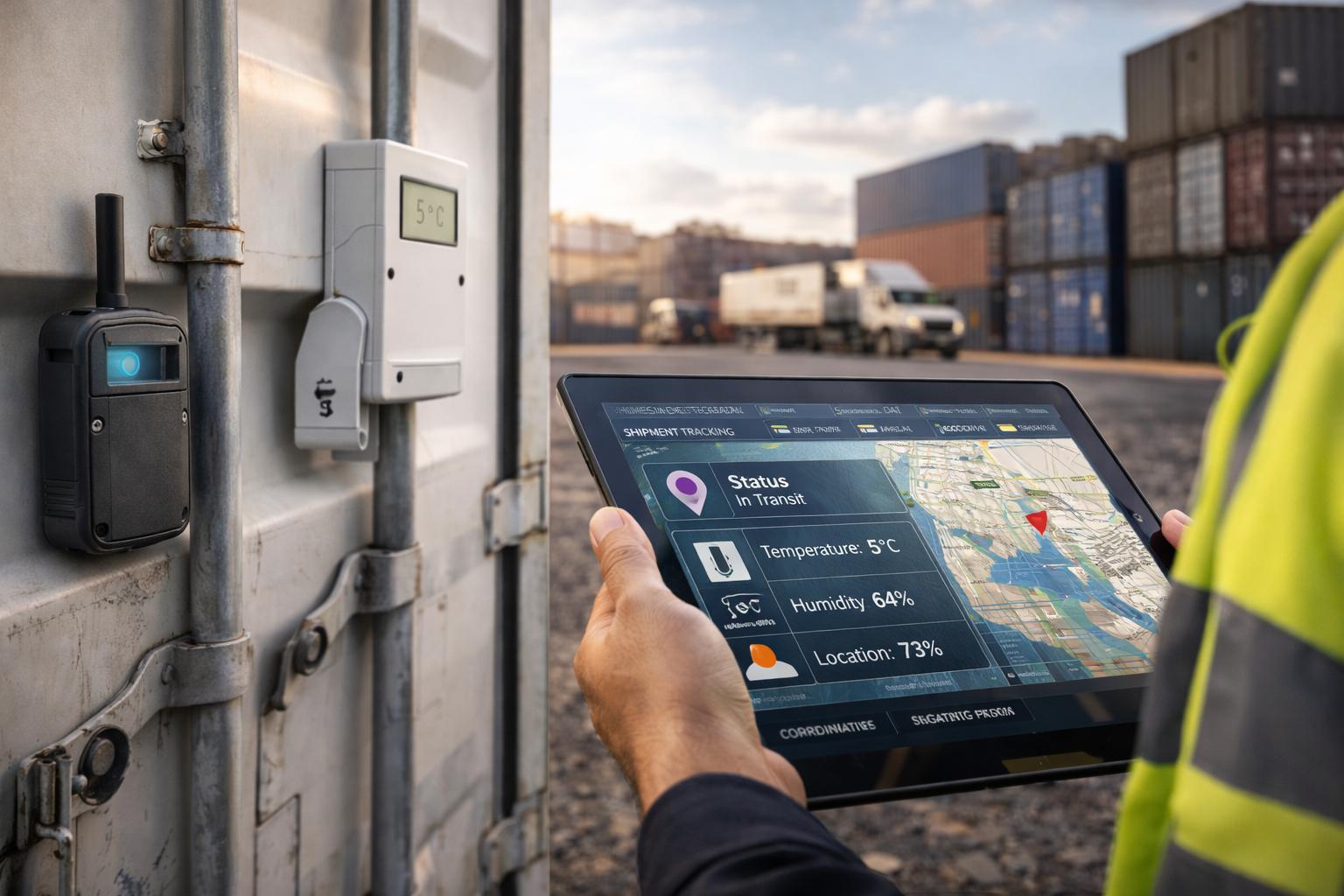

Where your operation loses time every single day
Most companies don’t lose money first.
👉 They lose time.
And in global trade, lost time quickly becomes:
- delays
- extra costs
- rework
- loss of control
The problem is that these losses are not obvious.
They happen silently, inside daily routines.
Time is not lost in big mistakes
It is lost in small, repeated actions:
- searching for information
- waiting for responses
- updating spreadsheets
- resending emails
- confirming things that should already be clear
Individually, they seem small.
Together, they slow everything down.
Where your operation actually loses time
1. Searching for information
How often does someone need to:
- ask for shipment status
- look for documents
- confirm data
- check updates
👉 Information exists, but it’s not accessible
2. Waiting for responses
A large portion of operational time is waiting:
- suppliers reply late
- freight forwarders delay updates
- brokers respond slowly
- internal teams depend on others
Meanwhile, the operation stalls.
3. Manual updates
- copying data from emails to spreadsheets
- updating status manually
- duplicating entries across systems
- consolidating information
👉 Operational work that doesn’t create value
4. Lack of standardized processes
Everyone works differently:
- inconsistent records
- different workflows
- lack of clarity
Result:
👉 more time spent just understanding the situation
5. Rework
- incorrect data
- incomplete information
- processes done again
👉 the same work being repeated
The invisible impact
These losses lead to:
- slower operations
- lower productivity
- higher operational costs
- difficulty scaling
- team frustration
And most importantly:
👉 growth slower than it should be
The problem is not the team
In most cases, the team is working hard.
Very hard.
The problem is the system (or lack of it).
Without structure:
- time is wasted
- effort increases
- results don’t scale
What changes with structured operations
Companies with structured processes:
- find information quickly
- reduce dependency on people
- eliminate repetitive tasks
- accelerate decisions
- increase operational speed
👉 they don’t work more
👉 they work better
How Pixel8 helps
At Pixel8, we structure operations to eliminate invisible losses.
This includes:
- centralized information
- organized workflows
- reduced manual tasks
- system integration
- operational visibility
The goal is simple:
👉 eliminate wasted time
Conclusion
Your operation doesn’t lose time in one place.
It loses time everywhere, every day.
And that costs more than it seems.
In global trade, efficiency is not optional.
👉 it’s what separates scalable operations from stuck ones
Want to reduce wasted time in your operation?
Talk to our team and see how Pixel8 can help.