Why your import operations rely too much on third parties
In many companies, import operations are not truly internal.
They are, in practice, in the hands of third parties.
Customs brokers, freight forwarders, and suppliers often control critical information, operational decisions, and process updates.
The problem is: when that happens, the company loses control.
This dependency feels normal — but it shouldn’t
At the beginning, outsourcing makes sense.
Companies without internal structure rely on external partners.
But over time, this becomes a risk.
Companies start to:
- depend on emails to know shipment status
- wait for third parties to make decisions
- lack clear visibility of processes
- rely on fragmented information
- react instead of control
The problem is not the third party — it’s the lack of internal structure
Brokers and agents are essential.
But they should not be the center of your operation.
Without a structured internal system:
- information is outside your control
- history gets lost
- communication becomes a bottleneck
- decisions become slower
The direct impact of this dependency
1. Lack of visibility
You don’t clearly know:
- where your cargo is
- which stage the process is in
- what risks are involved
2. Slow decision-making
Everything depends on external responses.
3. Higher operational risk
Without internal control, errors go unnoticed.
4. Limited scalability
As the company grows, dependency becomes a bottleneck.
What should happen instead
Companies should have:
- internal control of information
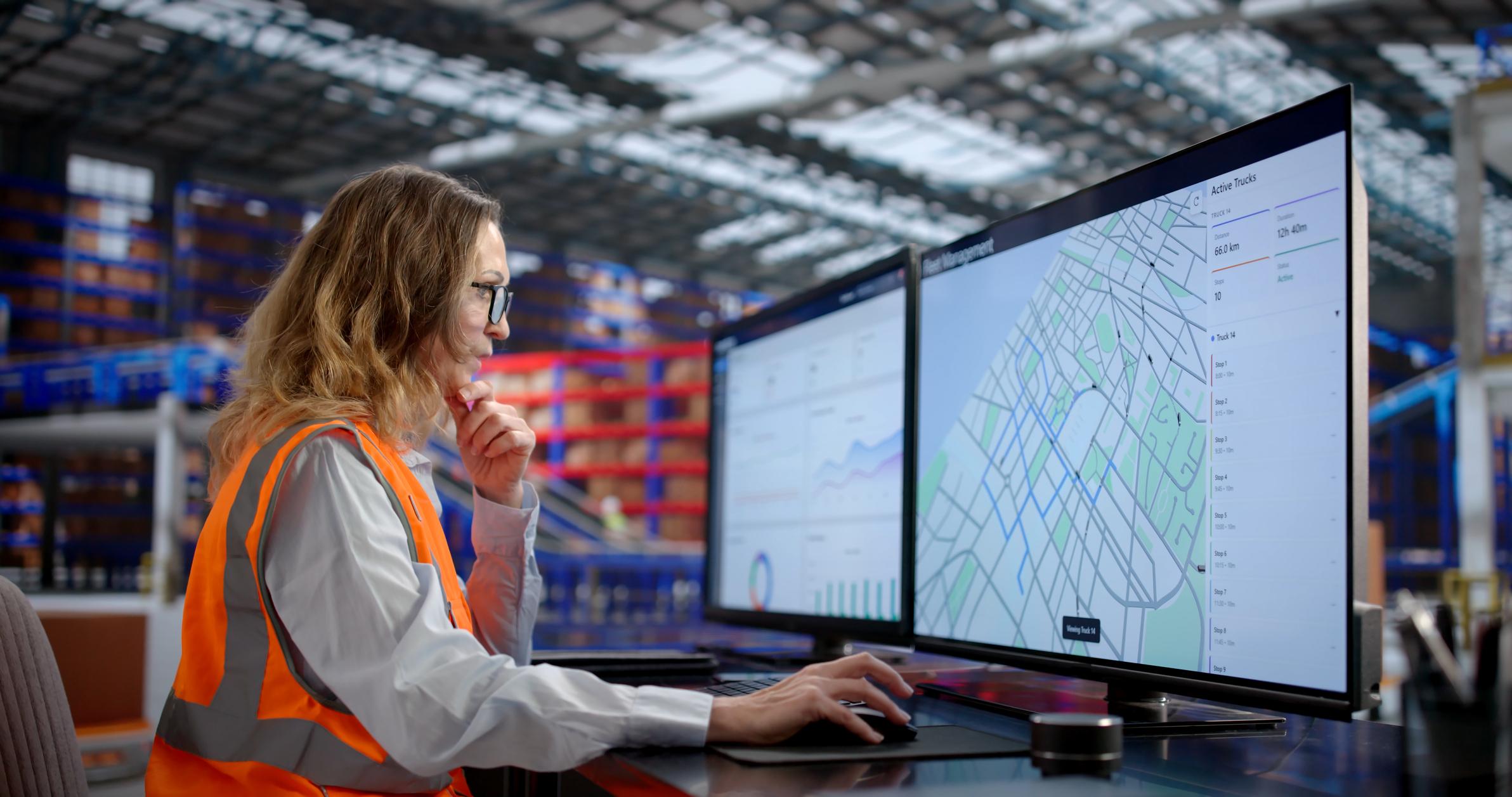
- full visibility of processes
- centralized data
- complete operational history
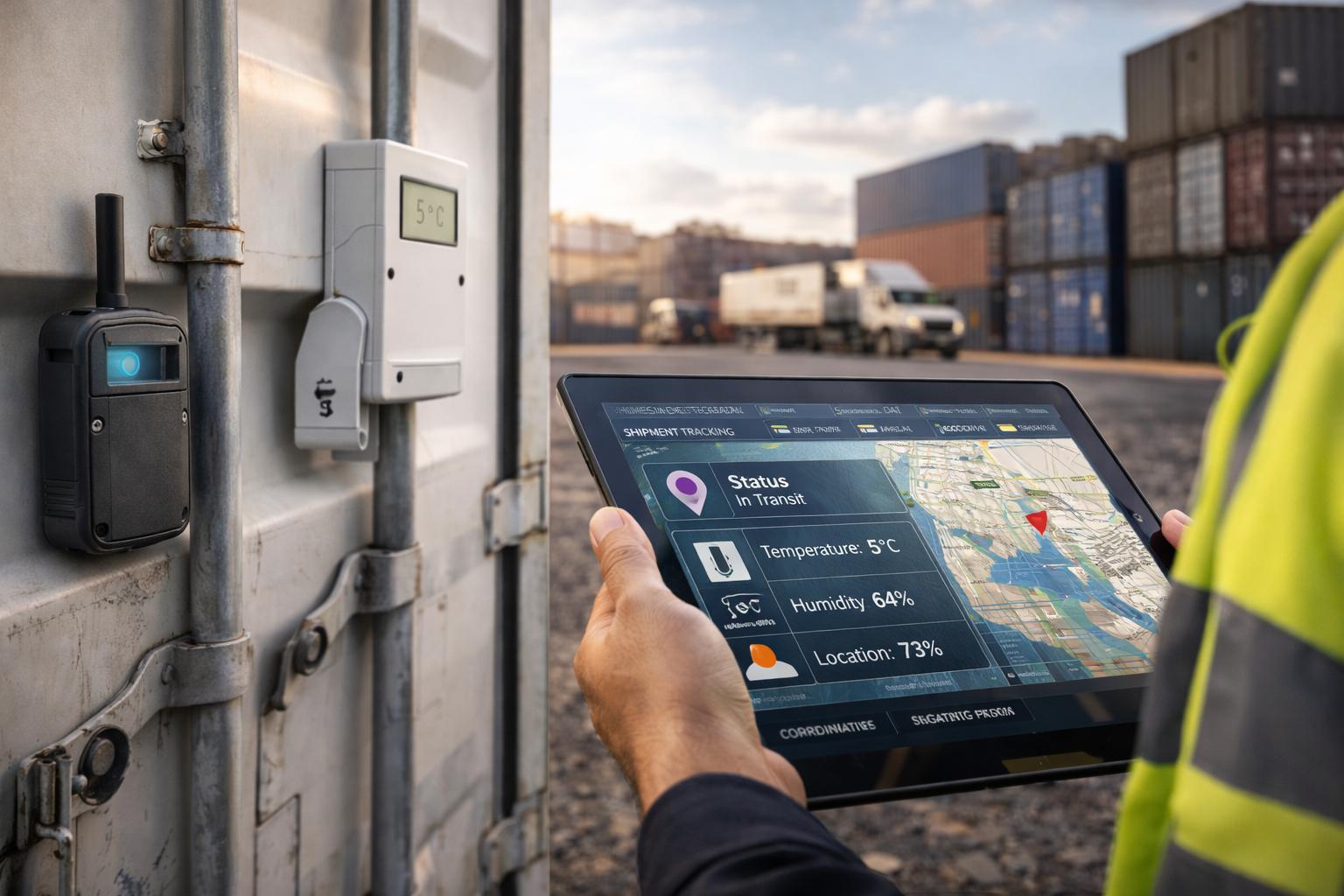
- real-time tracking
Third parties still operate — but within a structure controlled by the company.
The role of technology in import operations
Technology enables companies to:
- centralize data
- structure workflows
- reduce manual communication
- increase predictability
It doesn’t eliminate third parties.
It puts the company back in control.
How Pixel8 helps
At Pixel8, we build systems tailored for international trade operations.
This allows companies to:
- track import processes in real time
- organize communication with third parties
- centralize critical information
- reduce operational dependency
- gain control and predictability
Conclusion
Excessive dependency on third parties is not the real problem.
The problem is not having control over your operation.
Companies that grow in international trade don’t eliminate third parties — they structure their operations so they don’t depend on them.
Want more control over your import operations?
Talk to our team and see how Pixel8 can help.