
What is port storage in international trade
In global trade, port storage is part of the operational routine of almost every import and export process.
It happens when cargo remains stored inside the port terminal before release, pickup, or shipment.
And although many companies see it as just another logistics step, storage can significantly impact:
- operational costs
- deadlines
- predictability
- logistics flow
What port storage means
Port storage refers to the period during which cargo remains inside the port or bonded terminal.
This may happen:
- before customs clearance
- while awaiting pickup
- during documentation delays
- during transshipment operations
- during export operations
- while under customs inspection
During this period, the terminal charges storage fees.
How port storage works
After cargo arrives at the port:
- the container is unloaded
- cargo enters the terminal
- the storage period begins
- the operation waits for release and pickup
Allowed free time varies depending on:
- terminal
- carrier
- cargo type
- logistics agreements
Why storage generates costs
The terminal uses physical space, operational infrastructure, and equipment to keep cargo stored.
That is why:
👉 the longer cargo stays, the higher the cost
In many cases, charges increase progressively over time.
What increases storage costs
Several factors can cause cargo to remain longer than expected at the port.
The most common are:
1. Documentation problems
- inconsistent information
- incorrect documents
- delayed paperwork
- tax issues
2. Customs clearance delays
When customs procedures take longer than expected.
3. Lack of logistics planning
Many companies struggle to organize:
- transportation
- pickup scheduling
- operational flow
- warehouse receiving
4. Port congestion
Busy ports may increase operational delays and release times.
5. Lack of operational visibility
When companies fail to monitor:
- ETA
- shipment status
- pickup deadlines
- logistics updates
Operations react too late.
Storage and demurrage are not the same thing
Many companies confuse these two costs.
Storage:
👉 charged by the port terminal for occupied space
Demurrage:
👉 charged by the carrier for extended container usage
Both costs may happen simultaneously.
The operational impact
Storage costs directly affect:
- import margins
- cash flow
- delivery deadlines
- operational productivity
In addition to creating:
- rework
- operational urgency
- logistics pressure
- unexpected costs
How to reduce storage costs
1. Improve operational visibility
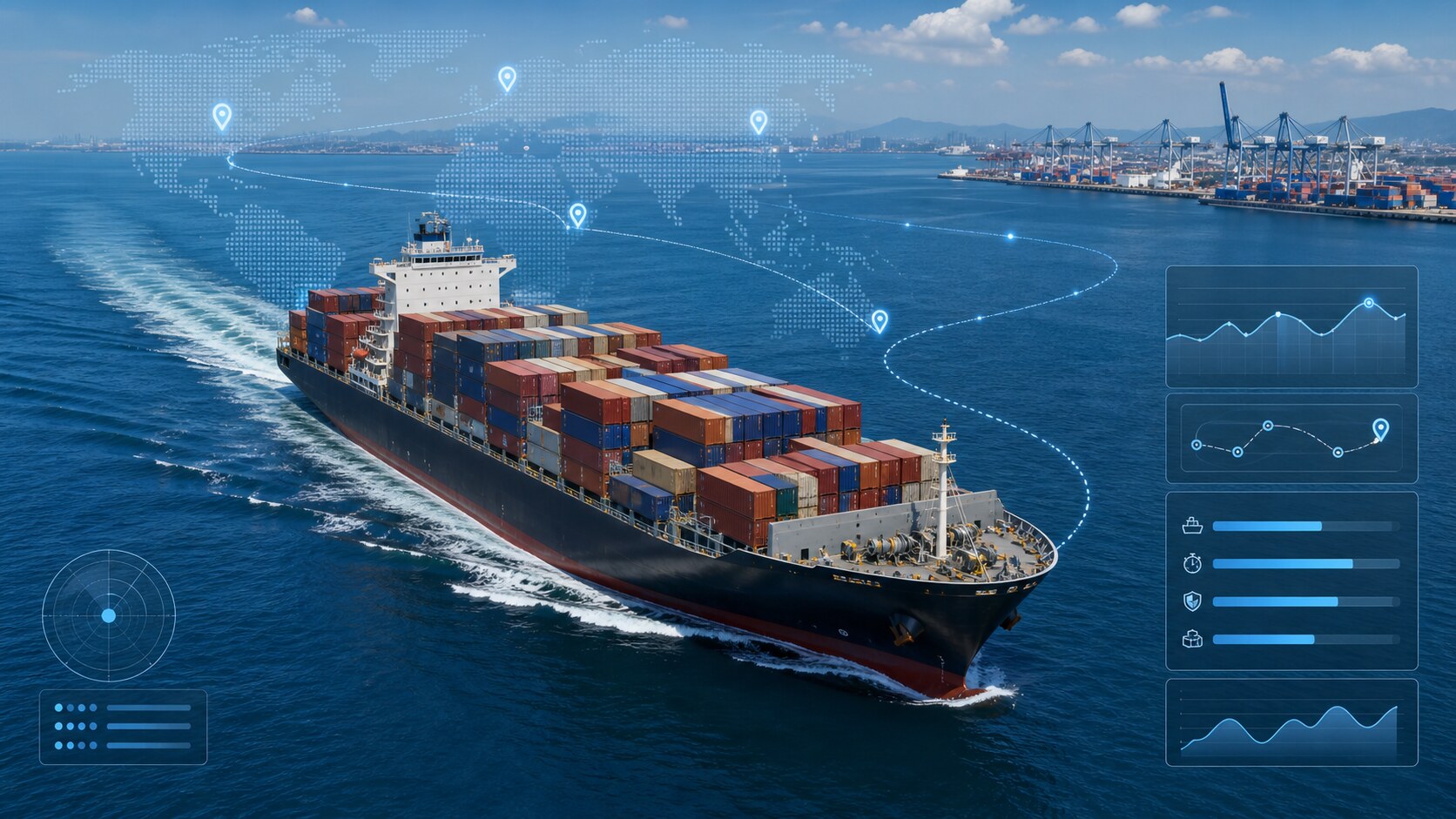
Real-time shipment tracking helps anticipate problems.
2. Prepare documentation before arrival
The fewer pending issues, the lower the delay risk.
3. Integrate logistics operations
Teams need centralized information.
4. Improve predictability
Companies that monitor ETA, customs clearance, and shipment status react faster.
The role of technology
Today, systems help companies:
- track shipments
- control deadlines
- centralize information
- reduce operational delays
- improve logistics predictability
How Pixel8 helps
At Pixel8, we develop systems focused on global trade operations.
This includes:
- operational tracking
- logistics visibility
- centralized data
- shipment monitoring
- reduced operational rework
The goal is to help companies operate with greater control and lower invisible costs.
Conclusion
Port storage is not just another logistics fee.
It is a direct reflection of operational efficiency.
The lower the visibility and organization of the operation, the greater the risk of:
- delays
- extra costs
- margin loss
And in global trade, predictability matters.
Want more control over your international logistics operations?
Talk to our team and see how Pixel8 can help.