The hidden cost of delays in international logistics
In global trade, delays are part of the operation.
The problem is not the delay itself.
The problem is the cost it generates — often invisible.
Most companies only see the direct impact, but the real damage comes from indirect effects.
The impact goes beyond transportation
When cargo is delayed, the effect doesn’t stay in the ship or flight.
It spreads across the entire operation.
It affects:
- planning
- inventory
- production
- sales
- cash flow
A logistics delay becomes an operational problem.
The hidden costs few companies measure
1. Storage and extra fees
Delays generate:
- storage costs
- demurrage
- detention
- additional port fees
These costs add up quickly.
2. Stockouts
When goods don’t arrive on time:
- products become unavailable
- sales are lost
- customers are impacted
3. Production disruption
Companies relying on imported inputs face:
- production stoppages
- constant rescheduling
- higher operational costs
4. Financial impact
Delays directly affect cash flow:
- capital is tied up
- turnover slows down
- predictability disappears
5. Emergency decisions
Without control, companies are forced to:
- pay higher freight costs
- rush shipments
- make reactive decisions
The real problem is lack of predictability
Mature companies understand that delays happen.
The difference is:
👉 knowing when it happens
👉 understanding the impact
👉 acting quickly
Without visibility, everything becomes a surprise.
Where operations fail the most
Most companies still rely on:
- emails
- messages
- manual updates
- spreadsheets
Result:
👉 delayed information
👉 late decisions
👉 accumulated losses
What structured companies do differently
Companies with strong operations:
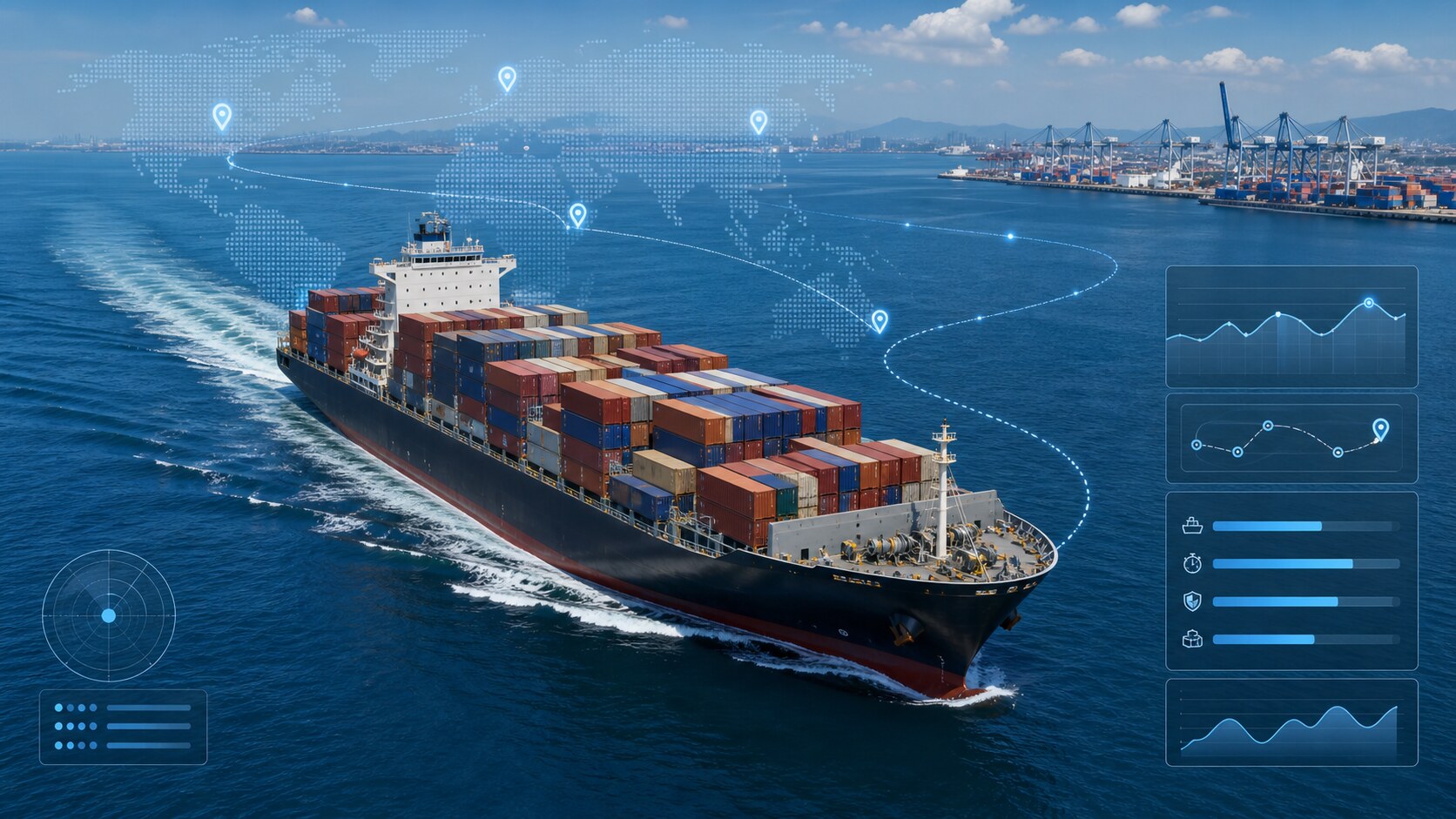
- track shipments in real time
- identify delays early
- anticipate impacts
- make data-driven decisions
The role of technology
Technology does not eliminate delays.
But it enables:
- operational visibility
- centralized data
- process control
- faster decision-making
How Pixel8 helps
At Pixel8, we structure operations to reduce the impact of delays.
This includes:
- real-time visibility
- organized logistics processes
- centralized information
- decision support
The goal is not to avoid delays.
👉 It is to avoid losses.
Conclusion
The cost of delays in international logistics goes far beyond transportation.
It impacts the entire operation.
Companies without control pay this cost without realizing it.
Structured companies anticipate, react, and reduce losses.
Want to reduce the impact of delays in your operation?
Talk to our team and learn how to structure your logistics.