How to reduce risk in importing
Importing products can create significant competitive advantages, but it also involves risks that many companies underestimate.
Delays, supplier issues, documentation errors, currency fluctuations, and logistics failures can quickly turn a profitable operation into an unexpected loss.
Reducing risk does not mean eliminating uncertainty. It means creating mechanisms to identify problems before they impact the business.
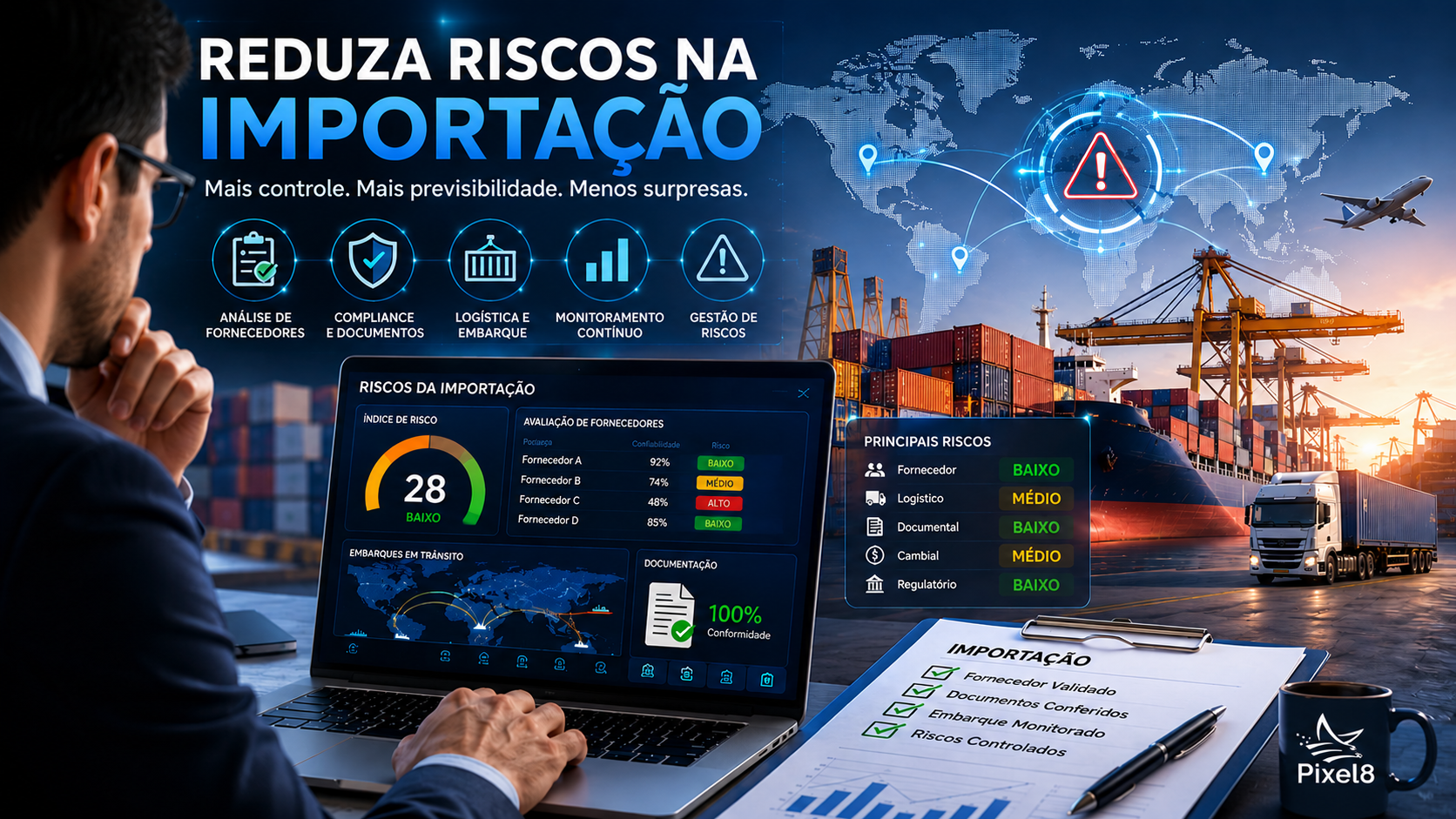
The main risks in importing
Every international trade operation is exposed to different types of risk.
The most common include:
- supplier risk
- logistics risk
- documentation risk
- currency risk
- regulatory risk
- quality risk
- compliance risk
Companies that monitor these factors tend to operate with greater predictability.
1. Evaluate suppliers before doing business
Many problems begin before the first purchase order is even issued.
It is important to verify:
- legal existence
- market reputation
- international track record
- production capacity
- certifications
- export experience
Proper due diligence significantly reduces operational and fraud risks.
2. Avoid dependence on a single supplier
Overreliance on one supplier increases supply chain vulnerability.
Issues such as:
- production disruptions
- local crises
- government restrictions
- financial difficulties
can directly impact supply continuity.
Having alternatives reduces exposure.
3. Maintain strict document control
Documentation errors remain one of the leading causes of import delays.
Critical documents include:
- Commercial Invoice
- Packing List
- Bill of Lading
- Certificates
- Licenses
Even small discrepancies can create costly delays.
4. Track shipments in real time
Many companies only discover problems when cargo is expected to arrive.
Continuous monitoring allows businesses to identify:
- delays
- route changes
- transshipments
- port congestion
The earlier a problem is identified, the faster the response.
5. Plan for currency fluctuations
Exchange rates can significantly affect the final cost of an import operation.
Companies should:
- monitor currency exposure
- perform financial simulations
- evaluate hedging alternatives
Financial predictability reduces surprises.
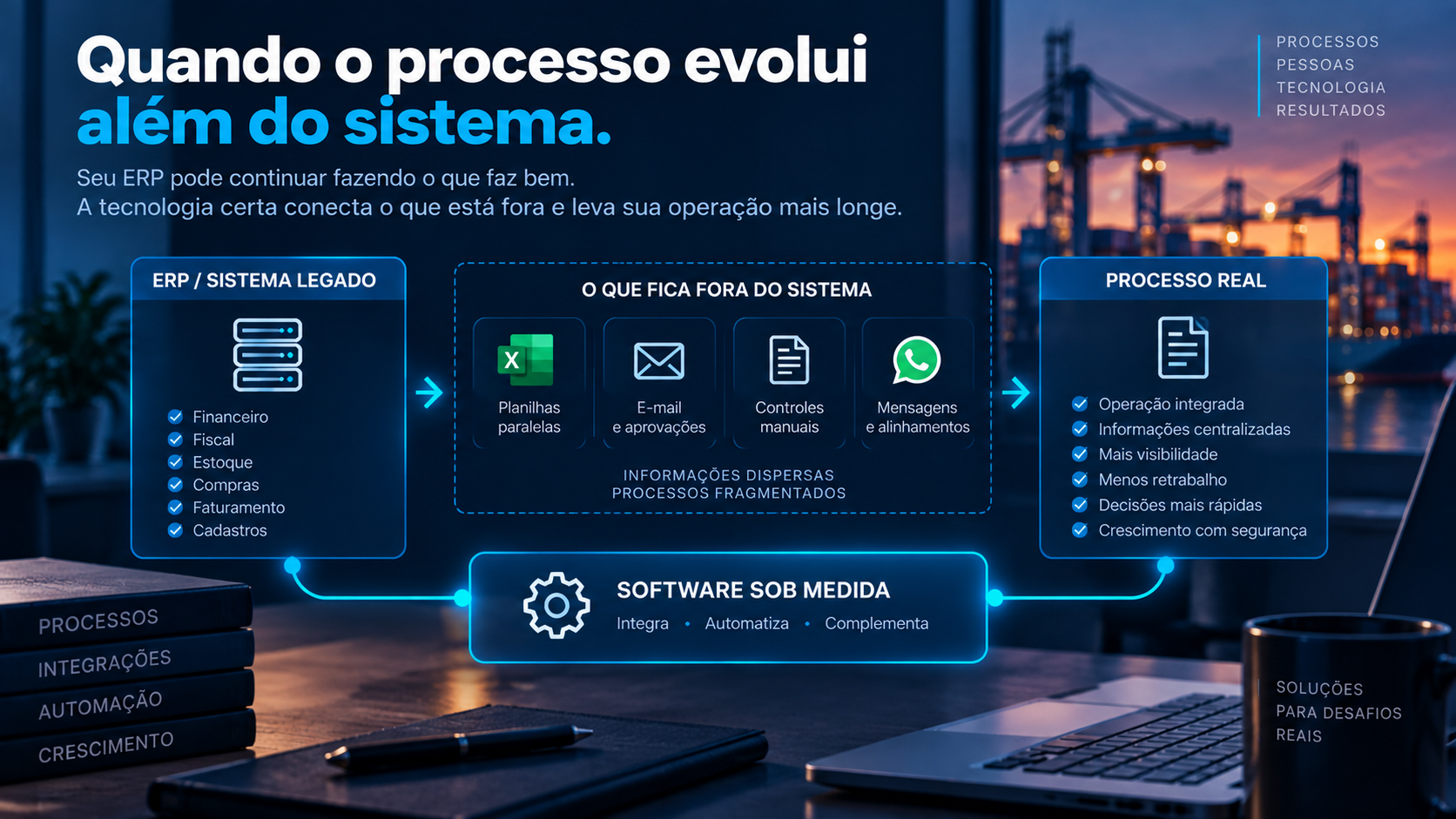
6. Centralize operational information
When information is spread across:
- spreadsheets
- emails
- messaging apps
- disconnected systems
operations lose visibility.
Centralized information improves decision-making and control.
The role of technology in risk reduction
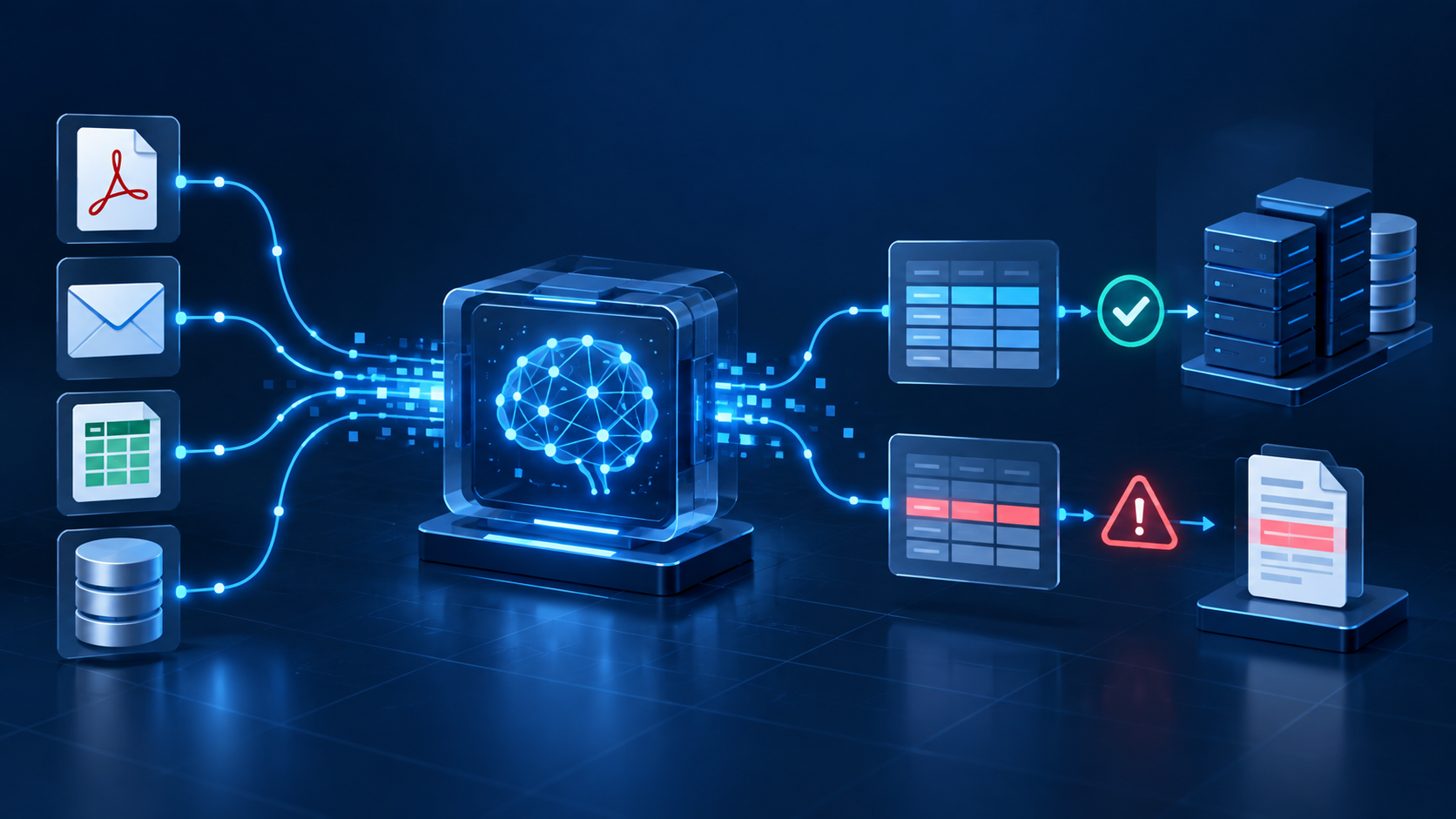
Technology helps companies reduce risk through:
- operational monitoring
- logistics tracking
- document control
- process visibility
- proactive alerts
The goal is not only to collect information but to enable faster action when problems arise.
How Pixel8 helps
At Pixel8, we develop software solutions focused on international trade operations.
Our systems help companies:
- monitor shipments
- centralize information
- manage documentation
- reduce rework
- improve operational predictability
All of which contribute to safer and more efficient importing operations.
Conclusion
Risk is part of importing.
The real advantage lies in identifying problems before they create financial or operational consequences.
Companies that invest in visibility, control, and monitoring are better positioned to reduce losses and operate with confidence.
Want greater control over your import operations?
Talk to our team and discover how Pixel8 can help.