How an Import Operation Works
Importing products may seem simple from the outside, but every international purchase involves a complex chain of processes connecting suppliers, freight forwarders, customs brokers, government agencies, and internal teams.
Understanding how an import operation works is essential for reducing risks, controlling costs, and improving operational predictability.
In this article, we explain the main stages of a typical import process.
1. Supplier Selection
Every import operation starts with finding and validating suppliers.
Companies usually evaluate:
- product quality
- production capacity
- certifications
- business history
- payment terms
- operational risks
Choosing the right supplier is one of the most important decisions in the entire process.
2. Commercial Negotiation
Once a supplier is selected, commercial terms are negotiated.
Typical discussions include:
- pricing
- quantities
- Incoterms
- production lead time
- payment conditions
- technical specifications
These details are generally formalized in the Proforma Invoice.
3. Production and Preparation
After approval, the supplier begins production or order preparation.
At this stage, companies may conduct:
- quality inspections
- audits
- sample approval
- packaging validation
These actions help prevent future operational issues.
4. International Shipment
When the cargo is ready, logistics operations begin.
Transportation may occur through:
- ocean freight
- air freight
- international road freight
Key documents issued include:
- Commercial Invoice
- Packing List
- Bill of Lading (BL, AWB, or CMR)
5. International Transit
The cargo then moves toward its destination country.
This is often where companies face visibility challenges.
Without proper tracking, it becomes difficult to answer questions such as:
- Where is my cargo?
- What is the estimated arrival date?
- Is there a delay?
- Has the shipment been transshipped?
Operational visibility becomes critical.
6. Customs Clearance
When the shipment arrives, customs procedures begin.
Depending on the product, regulatory requirements may include:
- import licenses
- government approvals
- certifications
- inspections
Once customs authorities approve the shipment, it can be released into the domestic market.
7. Taxes and Operational Costs
Importing involves much more than the product value.
Common costs include:
- import duties
- VAT and local taxes
- customs fees
- storage charges
- handling fees
- inland transportation
- customs brokerage services
Proper cost management is essential for calculating landed cost accurately.
8. Final Delivery
After customs clearance, the goods are transported to:
- distribution centers
- warehouses
- factories
- final customers
At this point, the import operation is considered complete.
Common Import Challenges
Even experienced importers face challenges such as:
- lack of operational visibility
- supplier delays
- documentation errors
- unexpected costs
- regulatory issues
- fragmented communication
This is why many companies invest in specialized software to manage international operations.
How Pixel8 Helps
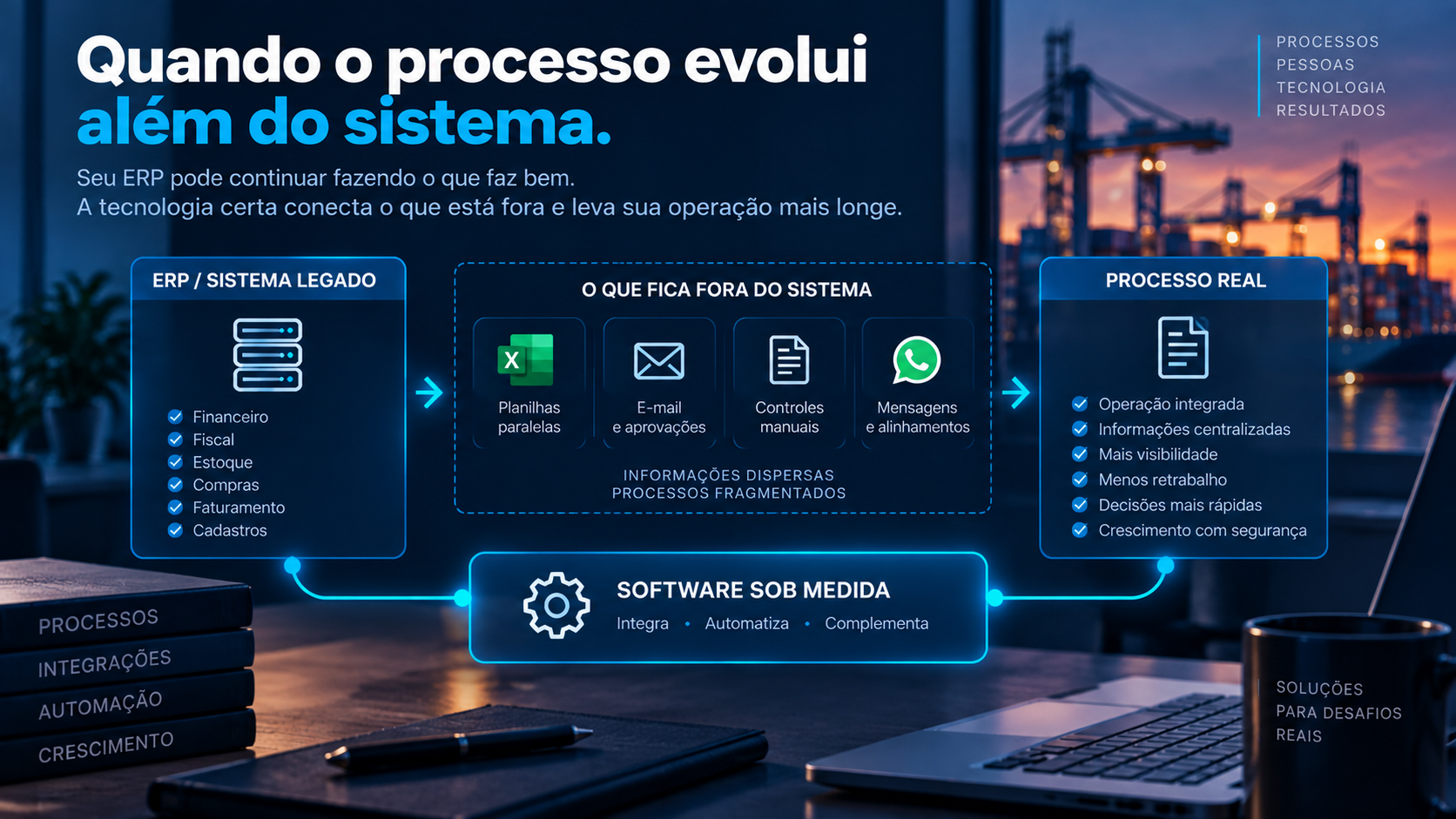
At Pixel8, we develop solutions that help companies gain more control and visibility over international trade operations.
With ComexOS, companies can:
- track shipments in real time
- centralize documentation
- control costs
- monitor operational milestones
- improve communication among stakeholders
Conclusion
An import operation involves much more than purchasing goods abroad.
Every stage contains risks, costs, and responsibilities that must be managed carefully.
The greater the visibility of the operation, the greater the ability to make faster decisions and reduce losses throughout the supply chain.
Looking for more control over your imports? Discover Pixel8 solutions for international trade operations management.