
Dashboard vs Operational BI
Many companies believe that having dashboards automatically means having operational intelligence.
But there is a huge difference between visualizing numbers and actually understanding what is happening inside the operation.
👉 dashboards display data
👉 operational BI supports decision-making
And this difference directly impacts speed, predictability, and operational control.
The problem with superficial dashboards
Today, many operations already have:
- charts
- indicators
- reports
- visual panels
But still cannot answer critical questions such as:
- where bottlenecks are
- why delays happen
- which processes consume margin
- which customers create operational overload
- where time is being lost
In other words:
👉 there is visibility
👉 but no operational intelligence
What is a dashboard
A dashboard is a visual interface that centralizes indicators and operational information.
It usually displays:
- KPIs
- metrics
- statuses
- charts
- operational volumes
The main purpose is fast monitoring.
The problem is that dashboards alone are not enough
A dashboard may show that:
- delays exist
- processes are stuck
- shipments increased
- costs went up
But it does not explain:
- why it happened
- what operational impact exists
- where the bottleneck is
- what should be prioritized
That is where operational BI comes in.
What is operational BI
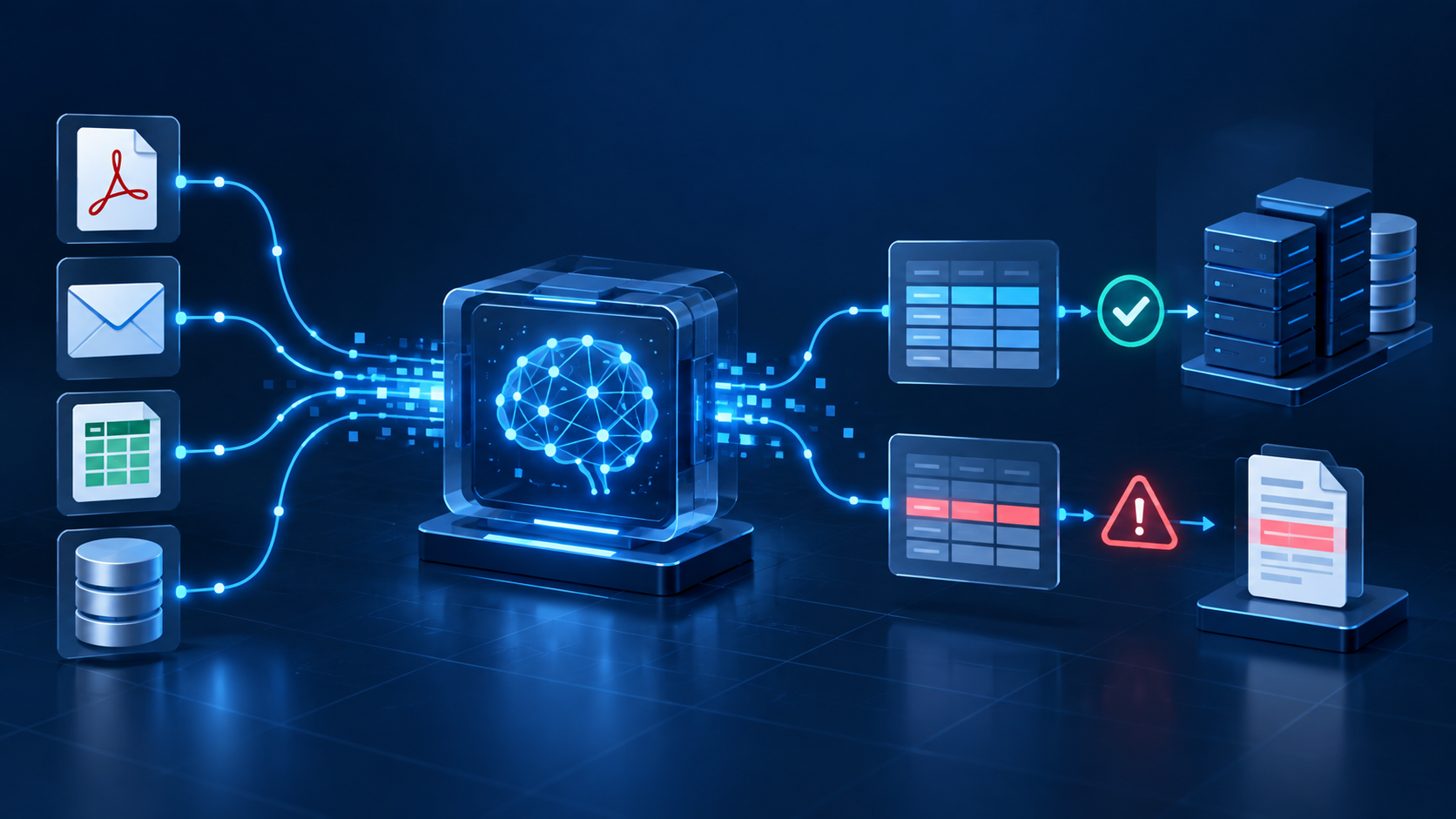
Operational BI goes beyond visualization.
It connects:
- data
- operational context
- workflows
- operational history
- process behavior
To transform information into decisions.
Operational BI helps answer real questions
For example:
- which stages create the most delays
- which suppliers impact operations the most
- which customers generate more rework
- which shipments carry higher risks
- where time is being lost
- where operational margin is being destroyed
👉 this is operational intelligence
Dashboards show what happened
Operational BI helps decide what to do
That is the main difference.
The impact on global trade operations
In international trade, this difference becomes even more visible.
Many companies already have:
- spreadsheets
- isolated dashboards
- ERP reports
- scattered information
But still lack:
- predictability
- traceability
- real operational visibility
- fast decision-making
Without operational BI, companies react too late
And in global trade, reacting late is expensive.
This creates:
- delays
- storage costs
- demurrage
- rework
- excessive dependency on third parties
- operational margin loss
The role of operational centralization
Operational BI depends on one essential factor:
👉 connected data
Without integration between departments and workflows, systems only display disconnected information.
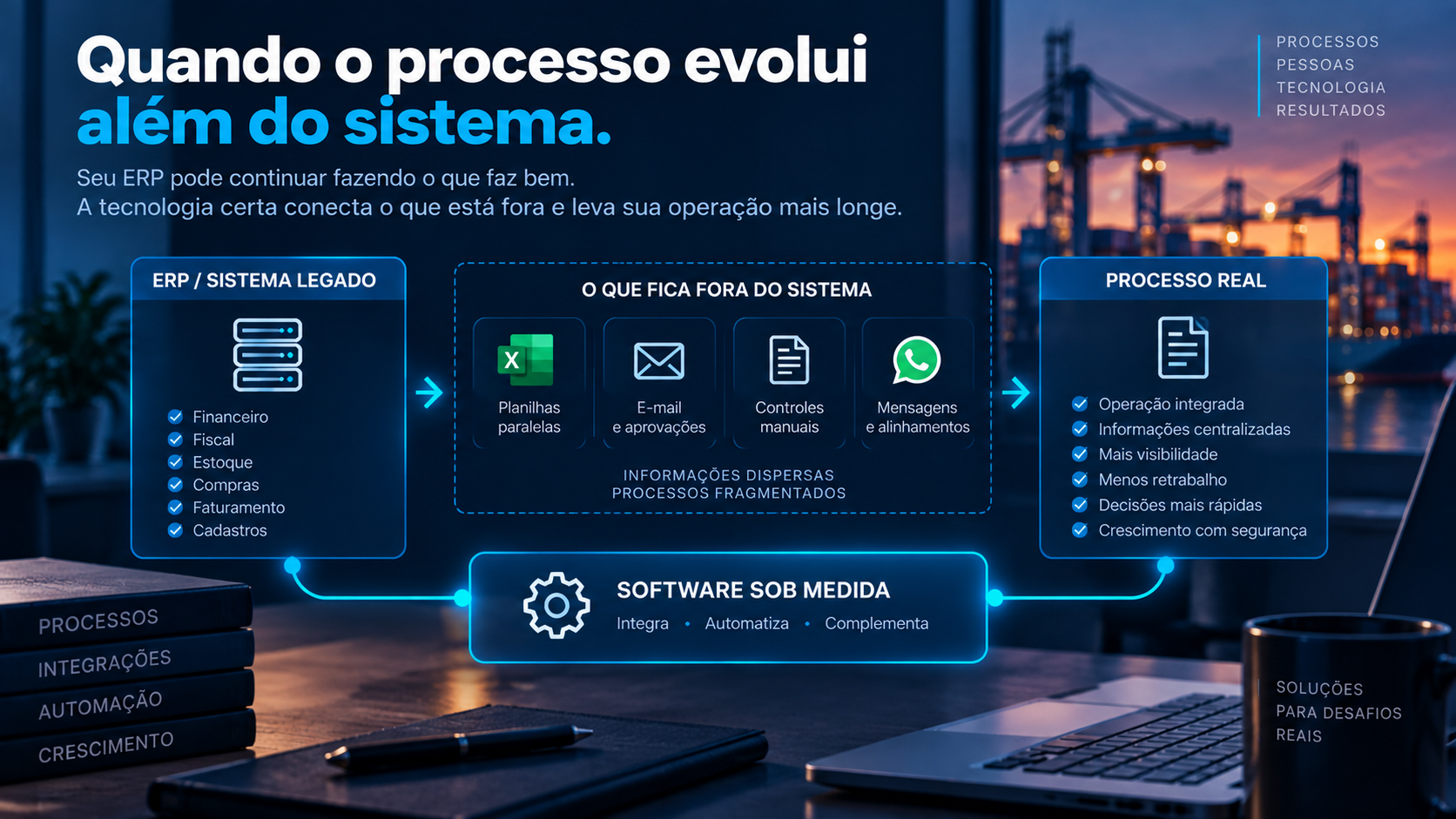
How Pixel8 sees this
At Pixel8, we believe operational BI is not just about beautiful reports.
It must generate:
- operational visibility
- predictability
- traceability
- decision-making capability
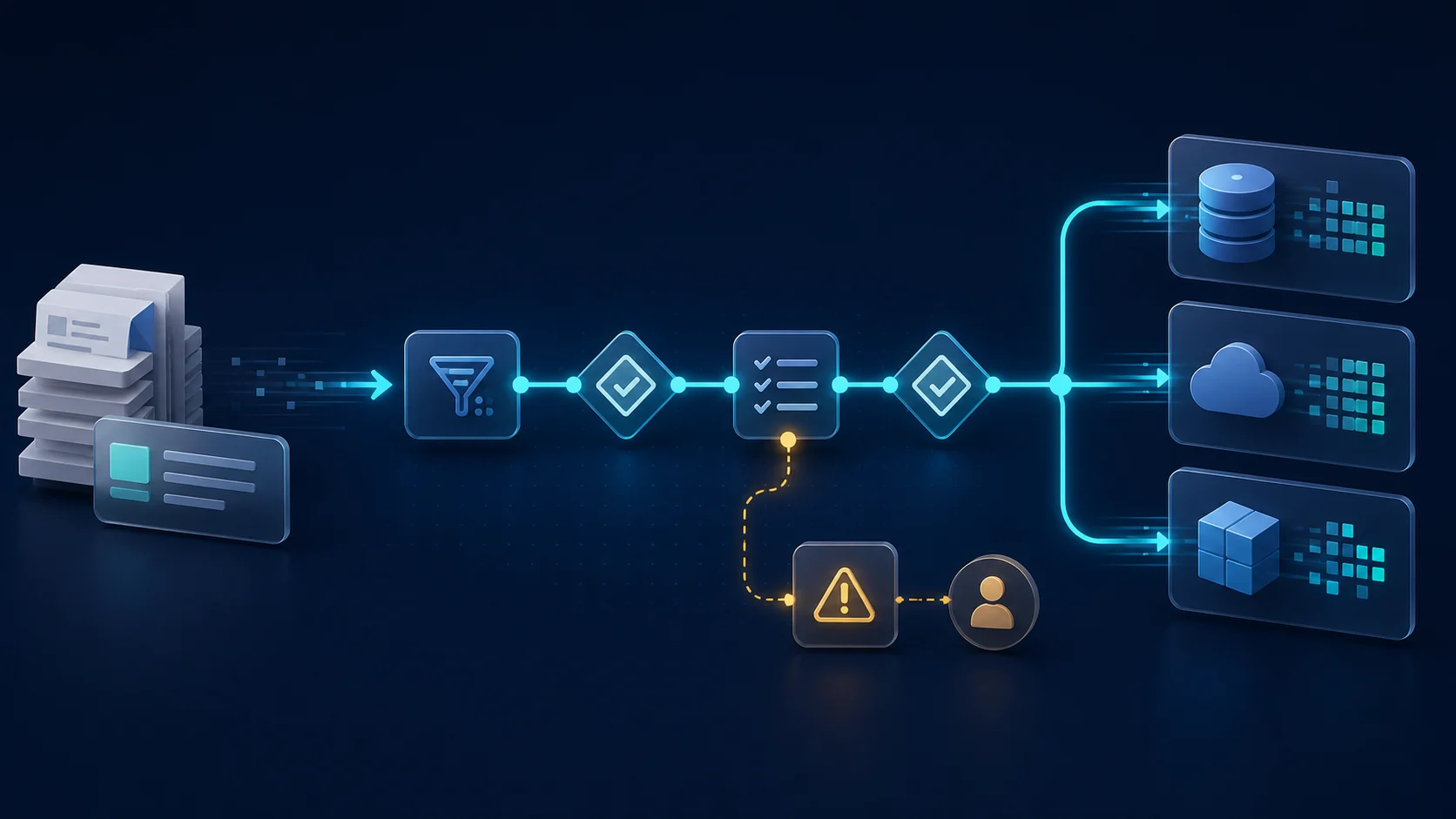
That is why we build systems that connect operations, logistics, processes, and data into a unified operational flow.
Conclusion
Dashboards and operational BI are not the same thing.
While dashboards display numbers, operational BI helps companies understand:
- where problems exist
- what operational impacts are happening
- what should be prioritized
- how to improve operations
And in global trade, operational visibility can be the difference between control and chaos.
Want more operational visibility in your company?
Talk to our team and see how Pixel8 can help.