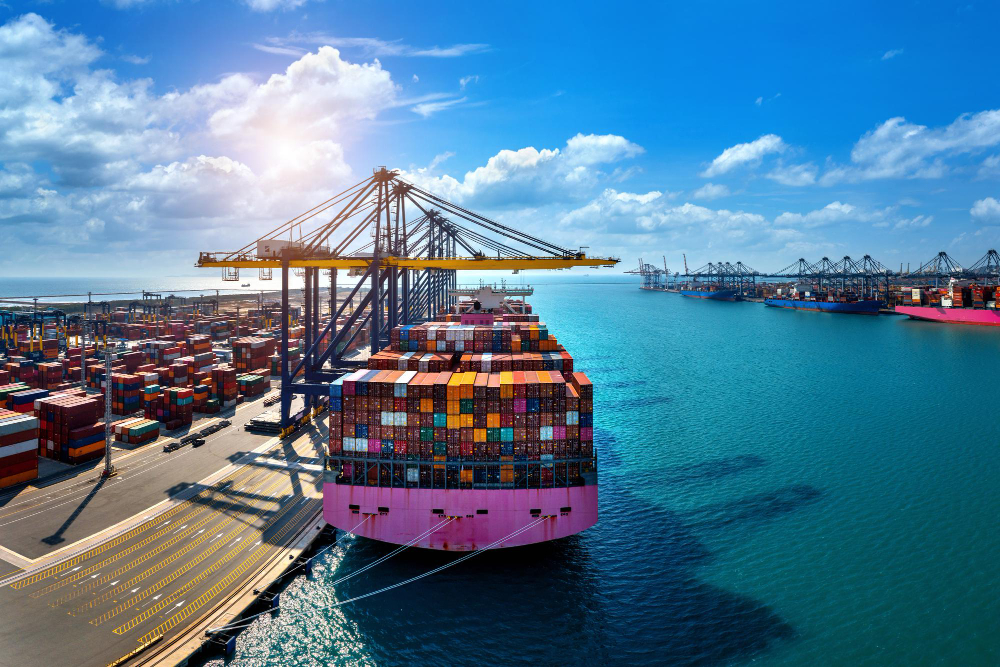

How to Track International Shipping Containers
One of the most common questions during an import operation is:
“Where is my shipment right now?”
Until a few years ago, answering this question required emails, phone calls, and constant communication with freight forwarders.
Today, international container tracking provides real-time visibility throughout the shipment journey.
This article explains how container tracking works and why it has become essential for international trade operations.
What Is Container Tracking?
International container tracking follows the movement of a shipment from origin to destination.
Tracking information is typically obtained from:
- shipping lines
- ports
- terminals
- AIS (Automatic Identification System)
- specialized logistics platforms
These systems continuously update shipment status during transit.
What Information Can Be Monitored?
Modern tracking platforms provide information such as:
- vessel location
- port of origin
- destination port
- Estimated Time of Arrival (ETA)
- Estimated Time of Departure (ETD)
- intermediate port calls
- route changes
- terminal arrival
- cargo discharge
This visibility helps businesses improve operational planning.
How Does Container Tracking Work?
Tracking usually starts after the Bill of Lading has been issued.
Using either the Bill of Lading number or the container number, specialized systems retrieve shipment updates directly from shipping lines and logistics databases.
Many platforms also display vessel positions on interactive world maps.
Why Is Tracking Important?
Shipment visibility allows companies to:
- plan inventory
- schedule inland transportation
- notify customers
- prepare customs clearance
- reduce storage costs
Businesses that monitor shipments can respond much faster to operational disruptions.
Why Does ETA Change?
Estimated arrival times may change throughout the journey.
Common reasons include:
- port congestion
- adverse weather
- route adjustments
- additional port calls
- operational delays
- customs inspections
For this reason, companies should continuously monitor shipment status rather than relying only on the original ETA.
Tracking Doesn’t Eliminate Problems
Tracking technology does not prevent delays.
Its biggest advantage is providing early visibility so companies can make better operational decisions before disruptions become costly.
Visibility creates predictability.
How Pixel8 Helps
ComexOS centralizes shipment management into a single operational platform.
Companies can:
- monitor shipments
- track operational milestones
- organize documentation
- monitor ETA changes
- improve operational visibility
- increase supply chain predictability
The goal is to transform logistics data into faster business decisions.
Conclusion
International container tracking is no longer a competitive advantage—it’s an operational necessity.
Companies with greater shipment visibility reduce uncertainty, improve planning, and make faster decisions throughout the import process.
Looking for complete visibility into your import operations? Discover how Pixel8 helps companies manage international logistics more efficiently.