How to Reduce Import Costs
Reducing import costs is about much more than negotiating lower freight rates.
For many companies, the biggest financial losses come from inefficient processes, operational delays, rework, and lack of visibility.
The more complex the operation, the greater the impact of these hidden costs.
In this article, we explain where companies typically lose money and how to improve efficiency without sacrificing reliability.
Import Costs Go Beyond Freight
When companies think about reducing costs, they usually focus on:
- product price
- international freight
- exchange rates
However, these represent only part of the total cost.
Other important expenses include:
- port storage
- demurrage
- detention
- AFRMM
- terminal charges
- penalties
- operational rework
- lost productivity
Many of these costs can be significantly reduced through better operational management.
Where Companies Can Save Money
1. Better Planning
Well-planned operations help prevent:
- emergency shipments
- unnecessary storage
- expedited transportation
- production delays
Greater predictability leads to lower costs.
2. Better Document Control
Documentation errors often result in:
- shipment delays
- penalties
- corrections
- additional storage fees
Reviewing documentation before shipment departure is one of the simplest ways to reduce unnecessary expenses.
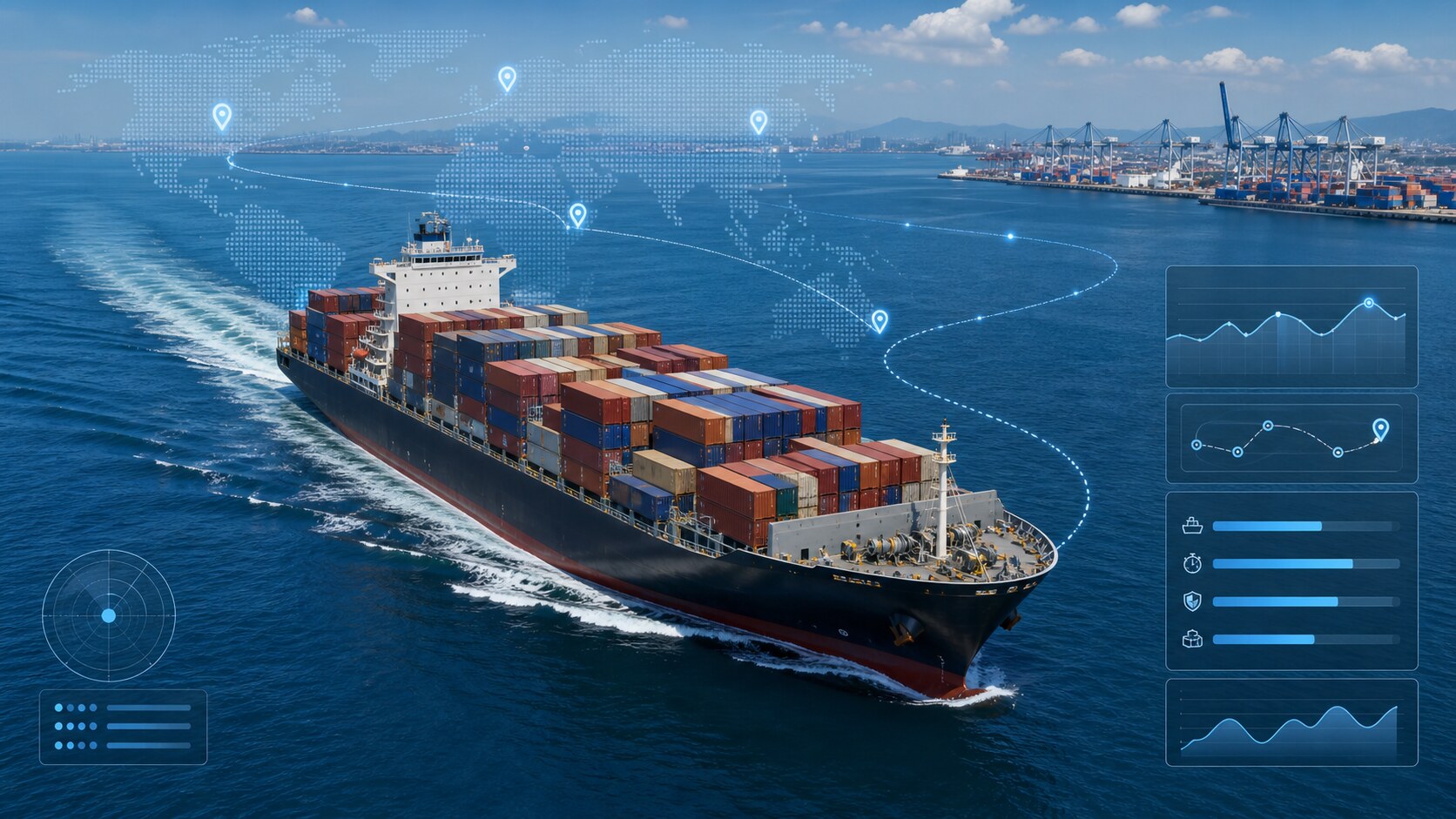
3. Shipment Visibility
Companies that continuously monitor shipments can react before small issues become costly problems.
Real-time visibility allows businesses to:
- reorganize inventory
- notify customers
- anticipate disruptions
- reduce financial impact
4. Reducing Operational Rework
Many import operations still rely on:
- spreadsheets
- emails
- WhatsApp conversations
- parallel tracking systems
This creates:
- wasted working hours
- operational errors
- duplicated information
Automation reduces these costs over time.
5. Monitor Operational KPIs
Without performance indicators, it is difficult to understand where money is being lost.
Important KPIs include:
- cost per shipment
- total logistics cost
- percentage of delayed shipments
- average storage cost
- extraordinary operational expenses
You cannot improve what you do not measure.
Hidden Costs Reduce Competitiveness
Many companies negotiate aggressively with suppliers while losing much larger amounts through inefficient internal operations.
These hidden expenses rarely appear in a single report but gradually reduce profit margins.
The higher the import volume, the greater the potential financial impact.
How Pixel8 Helps
ComexOS was built to improve operational efficiency for companies involved in international trade.
The platform enables businesses to:
- monitor shipments in real time
- centralize documentation
- track operational costs
- identify bottlenecks
- reduce manual work
- improve operational predictability
The goal is simple: turn information into savings.
Conclusion
Reducing import costs is not only about negotiating better prices.
The greatest opportunities for savings are usually found within your own operation.
Companies with greater visibility and stronger operational control reduce waste, minimize risks, and become more competitive in international trade.
Want to identify where your operation is losing money? Discover how Pixel8 helps companies optimize international trade operations and reduce operational costs.